
Why choose an HVAC apprenticeship
You might be stuck in a job that pays the bills but offers no clear path forward. You’re tired of trading hours for dollars with no room to grow, and the idea of taking on student debt for a degree that might not lead to a stable career feels like a trap. This is the exact moment where an HVAC apprenticeship makes sense. It flips the traditional education model on its head: instead of paying to learn, you get paid to learn.
The financial advantage is immediate. Unlike university programs that require upfront tuition and leave graduates with loans, an HVAC apprenticeship puts money in your pocket from day one. You are earning a wage while you train, which means you graduate with zero debt and a fully funded skill set. The Bureau of Labor Statistics reports that HVAC mechanics and installers earned a median annual wage of $59,610 in May 2023, with the potential for higher earnings as you specialize and gain experience.
Beyond the paycheck, the demand for these skills is structural and resilient. Buildings always need heating, cooling, and ventilation, regardless of the economic climate. This creates a career that is insulated from automation and outsourcing. You are learning a trade that is essential to modern life, giving you the security of knowing your skills will always be needed.
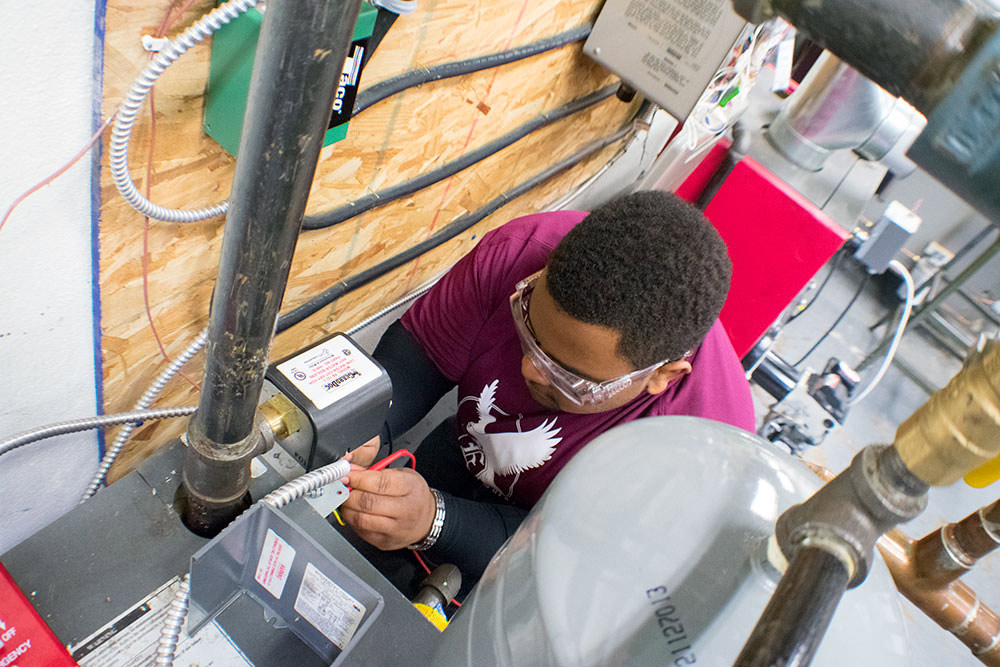
This path is also remarkably flexible. You don’t need to be a fresh high school graduate to start. Many apprentices are career changers who bring maturity and work ethic to the job site. If you are ready to stop guessing about your career and start building a tangible, lucrative skill set, this is the fix you’ve been looking for.
Meet basic apprenticeship requirements
Many people get stuck at the starting line because they assume HVAC apprenticeships require a college degree or advanced engineering background. That’s not true. Most programs are designed to teach you from the ground up, focusing on mechanical systems, practical math, and safety protocols. You don’t need a four-year degree to get started; you just need the foundational eligibility criteria to apply.
The primary barrier is often just a high school diploma or GED. Beyond that, employers look for physical readiness and a clean record. Since the work involves climbing ladders, crawling into tight crawl spaces, and handling heavy tools, you must be physically capable of performing these tasks. A valid driver’s license is also almost always required, as you’ll be traveling to various job sites.

Before you submit an application, ensure you have the following documents and qualifications ready. This checklist covers the standard baseline requirements for most reputable HVAC apprenticeship programs.
- High school diploma or GED equivalent
- Valid driver’s license and reliable transportation
- Physical ability to lift 50+ lbs and work in confined spaces
- Clean criminal background check (no felonies)
- Drug screening clearance
- Basic math and mechanical aptitude
Once you verify you meet these criteria, you are ready to move on to finding and applying for specific programs.
Find and apply to training programs
If you’re staring at a blank screen, unsure whether to join a union, enroll in a trade school, or apply directly to a contractor, you’re not alone. The HVAC industry offers multiple entry points, but each requires a different application strategy. Here is the concrete process for finding and securing an HVAC Apprenticeship in 2026.
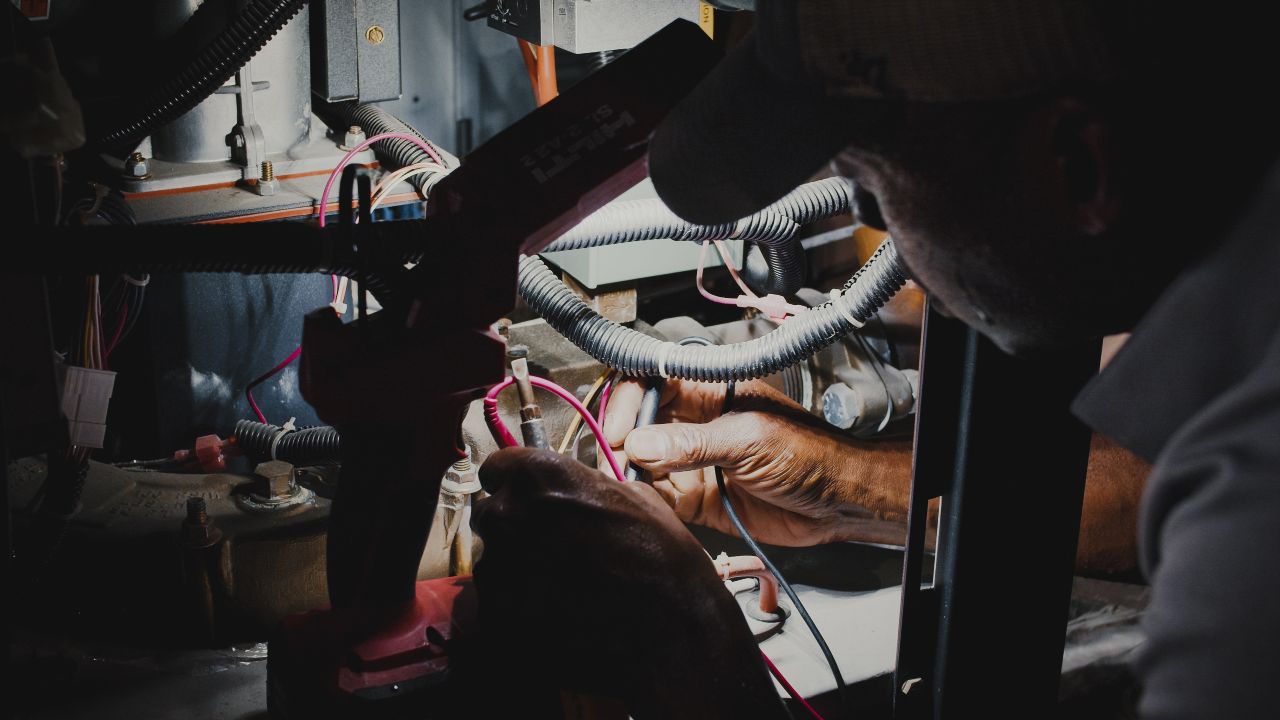
Start by identifying the dominant training path in your region. Union apprenticeships (like UA or RSES) often have structured classrooms and paid on-the-job hours. Contractor-led programs (such as the Estes Tech Builder Program) offer immediate hands-on experience with no college debt. Trade schools provide accelerated technical education but may require upfront tuition. Check local job boards and union halls to see which model is active in your area.
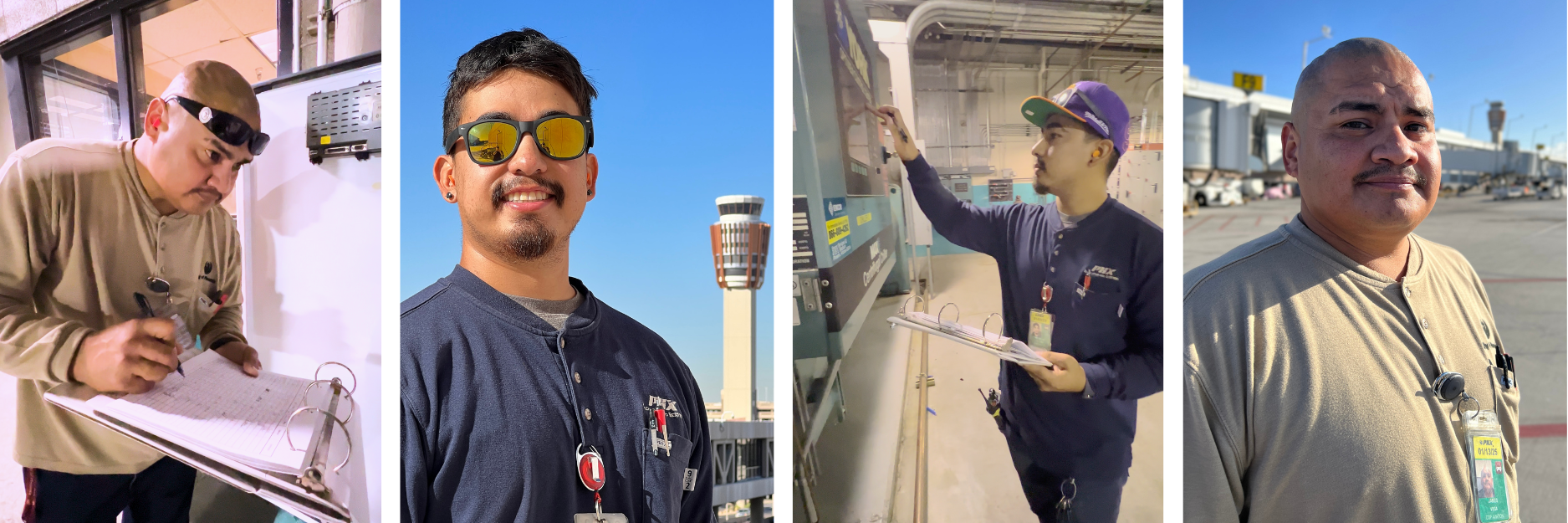
Most HVAC Apprenticeship programs require a high school diploma or GED, a valid driver’s license, and basic math skills. Some unions require you to pass an aptitude test (such as the ACT or NJATC exam) before you can even apply. Prepare your transcripts and ensure your background check is clean, as many employers require drug screening before an offer is made.
Unlike standard job applications, apprenticeship programs often require a cover letter explaining your interest in the trade and a resume highlighting any relevant mechanical or customer service experience. If applying to a union, you may need to submit an application during a specific open window. Gather references from previous employers or teachers who can vouch for your reliability and work ethic.
Submit your application through the official portal or in person if required. If you don’t hear back within two weeks, call the program coordinator to confirm receipt and express continued interest. For contractor-led programs, applying directly to local HVAC companies can sometimes bypass lengthy waiting lists, especially if they have immediate hiring needs.
Interviews for HVAC Apprenticeships are often less about technical knowledge and more about attitude, safety awareness, and willingness to learn. Dress professionally, arrive early, and be ready to discuss why you want to work in this specific trade. Bring copies of your resume, transcripts, and any certifications you hold.
Once you’ve submitted your applications, the waiting period can be frustrating. Use this time to brush up on basic math and physics concepts, as these are frequently tested in aptitude exams. If you’re rejected, ask for feedback to improve your next application. The HVAC industry is growing, and persistence often pays off.
Navigate certification and licensing
The path from apprentice to journeyman isn't just about hours logged; it's about clearing the regulatory hurdles that protect public safety. Two main gates stand between you and independent work: federal EPA certification and state-level licensing. While the paperwork can feel overwhelming, remember that most apprenticeship programs cover the cost of these exams, and you are paid to study for them.
EPA Section 608 Certification
Before you can touch refrigerant lines, you must hold an EPA Section 608 certification. This federal requirement ensures you understand how to handle refrigerants safely without harming the ozone layer or contributing to climate change. The Environmental Protection Agency (EPA) divides this into four types based on the equipment you service:
- Type I: Small appliances like window AC units.
- Type II: High-pressure systems found in commercial buildings.
- Type III: Low-pressure systems, typically large chillers.
- Universal: Covers all four types, offering the most career flexibility.
Most entry-level programs start with Type I or Universal. You will study for these exams during your apprenticeship hours, often with paid study time provided by your employer. Once you pass, you hold this credential for life, though you must maintain it by following EPA regulations.
State Licensing Requirements
Federal certification is just the baseline. Each state sets its own licensing rules for HVAC technicians. Some states require a full journeyman license after your apprenticeship, while others have intermediate levels like "Journeyman" or "Specialty" licenses that allow you to work under supervision.
Key steps in this phase include:
- Verify State Rules: Check your state’s contractor board website for specific hour requirements.
- Complete Apprenticeship Hours: Ensure your logged hours meet the state’s minimum for licensure.
- Pass State Exams: Many states require a separate trade exam beyond the EPA test.
Because requirements vary, your apprenticeship coordinator is your best resource. They know exactly which certificates your state demands and can guide you through the application process. Don’t wait until your last day to start this paperwork—licensing delays can cost you early career opportunities.
Common mistakes new apprentices make
Starting an HVAC Apprenticeship is a hands-on process where small habits compound quickly. The difference between a smooth journey and a stalled career often comes down to three specific pitfalls: attendance, safety awareness, and communication. Recognizing these symptoms early lets you apply simple fixes before they become career-limiting issues.
Poor attendance and reliability
Show up on time, every time. The HVAC industry runs on tight schedules and job site dependencies. If you miss shifts or arrive late, you miss critical training moments and signal unreliability to your journeyman. Consistency builds trust faster than any technical skill.
Ignoring safety protocols
Safety isn't just about wearing gear; it's about respecting the environment. Never touch equipment you haven't been cleared to use. If a procedure feels unsafe or unclear, stop immediately. Asking for clarification is a sign of professionalism, not weakness.
Failing to ask: what to check next
Curiosity is your best tool. You will encounter systems and diagnostics you've never seen. Waiting until you "figure it out" on your own leads to mistakes and wasted time. Instead, take notes during explanations and ask follow-up questions when the master technician has a moment.
Review the day's tasks the night before. Pack your PPE and tools so you're ready to start immediately.

Watch your mentor closely. Write down specific questions to ask during breaks or after the job is done.
Spend ten minutes after work reviewing what you learned. Identify one thing you did well and one area to improve.
Frequently asked: what to check next
Quick checklist
-
Match the sizeMake sure the HVAC Apprenticeship option fits your household, storage space, and normal batch size.
-
Check the materialChoose a material that handles heat, washing, and regular use without becoming a chore.
-
Plan the cleanupAvoid anything that needs more maintenance than you are likely to give it.
-
Keep one fallbackHave a simple backup option for rushed days.
No comments yet. Be the first to share your thoughts!